

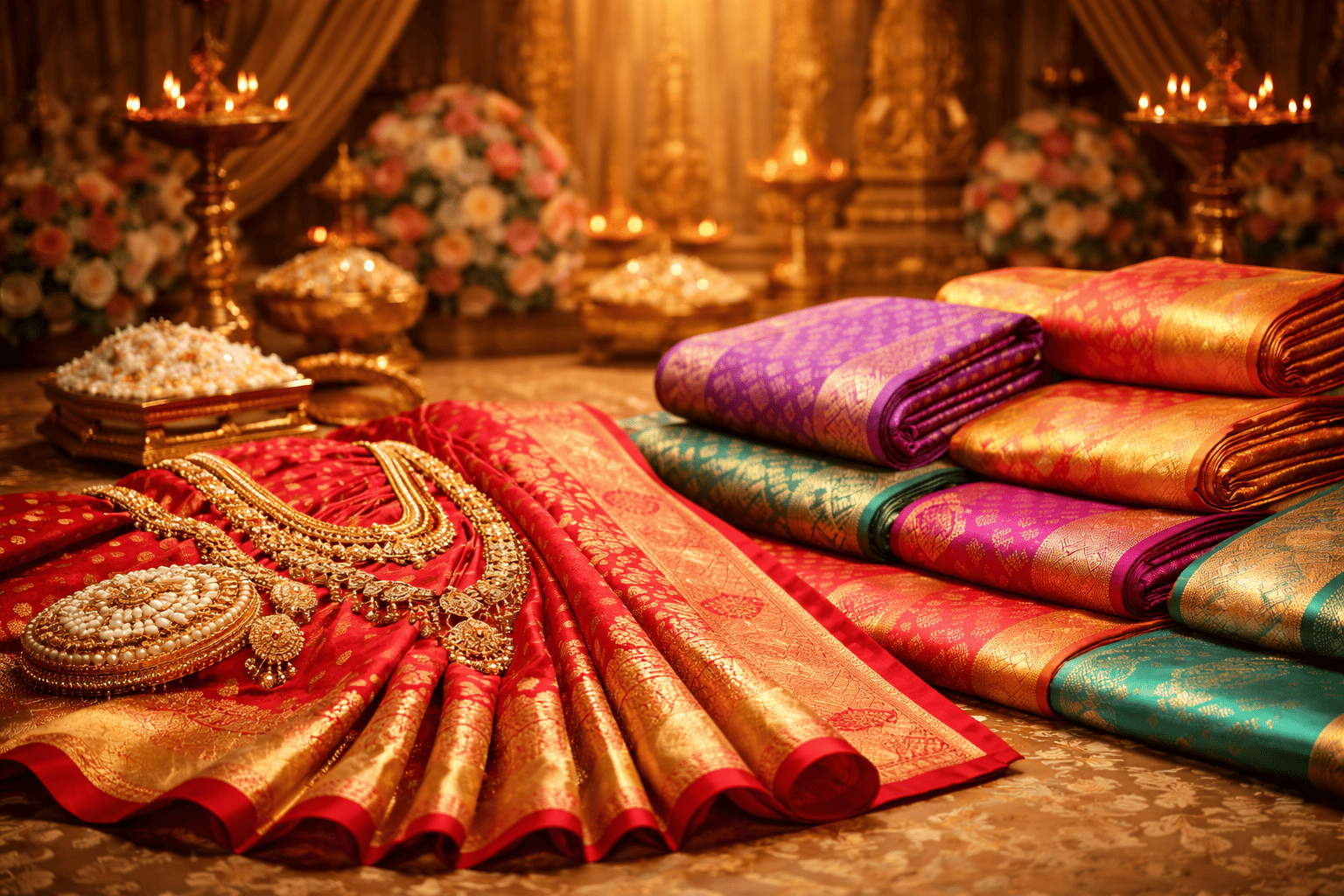
Many brides fall in love with their wedding pattu sarees in the glow of the moment — only to question that choice months later, when emotion gives way to reflection.
In the rush of wedding planning, decisions are often driven by excitement, family opinions, or trending colours. The saree looks beautiful in-store. It feels perfect that day. But later, small doubts surface — the shade that didn’t photograph as expected, the weave that felt heavier than imagined, the traditional detail that was overlooked.
Choosing wedding pattu sarees is not just about selecting a bridal outfit. It is about investing in heritage, symbolism, and a garment that will live beyond the wedding day. When that choice is made without clarity, regret quietly follows.
The mistakes are rarely dramatic — but they are emotional, expensive, and often irreversible.
This guide highlights the most common regrets brides experience — and how thoughtful guidance can help you choose wedding pattu sarees with confidence, intention, and lasting pride.
At Aikyatha, we believe bridal choices should never be rushed. They should be understood, curated, and aligned with your ceremony, your identity, and your legacy.
Why Choosing the Right Wedding Pattu Saree Matters
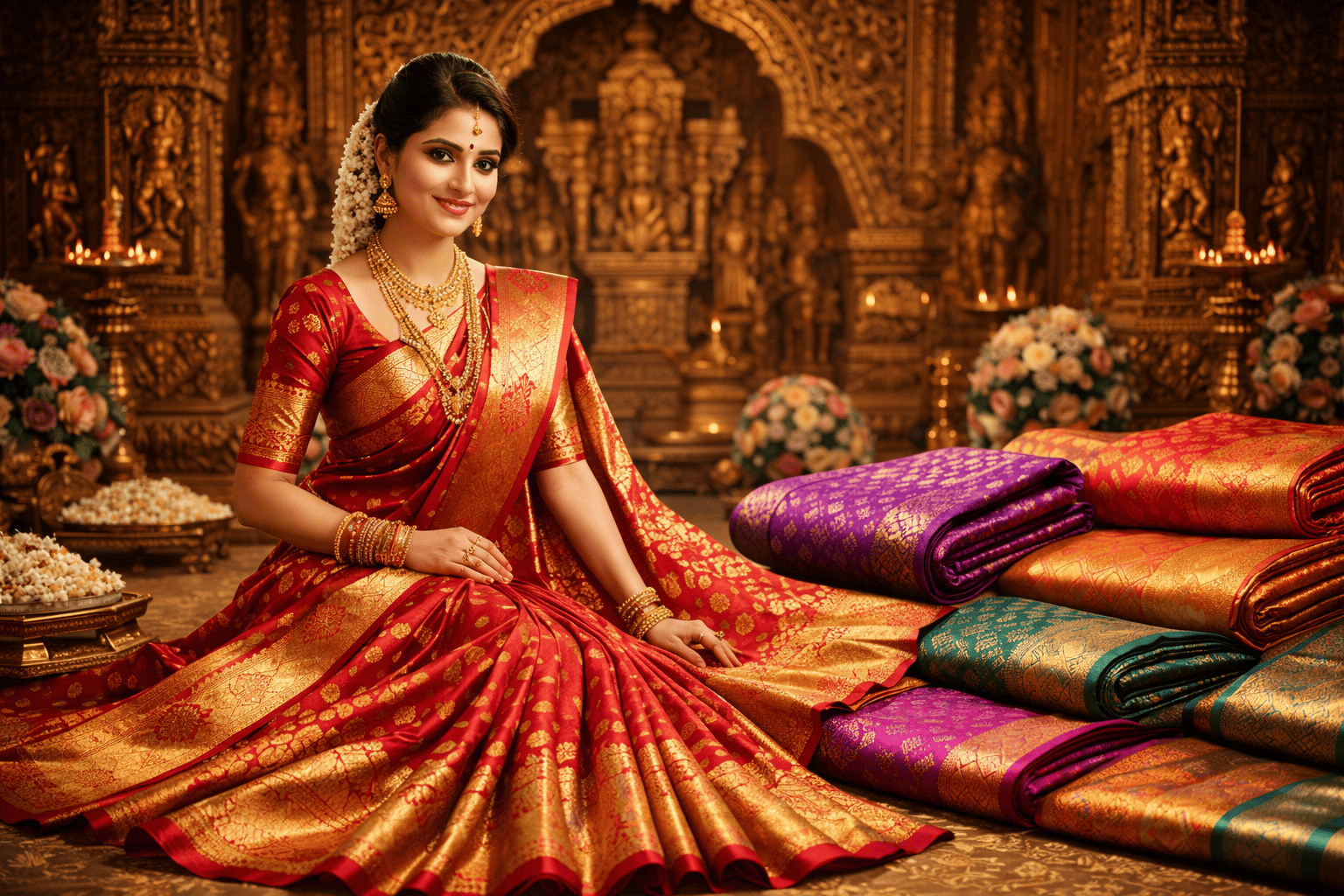
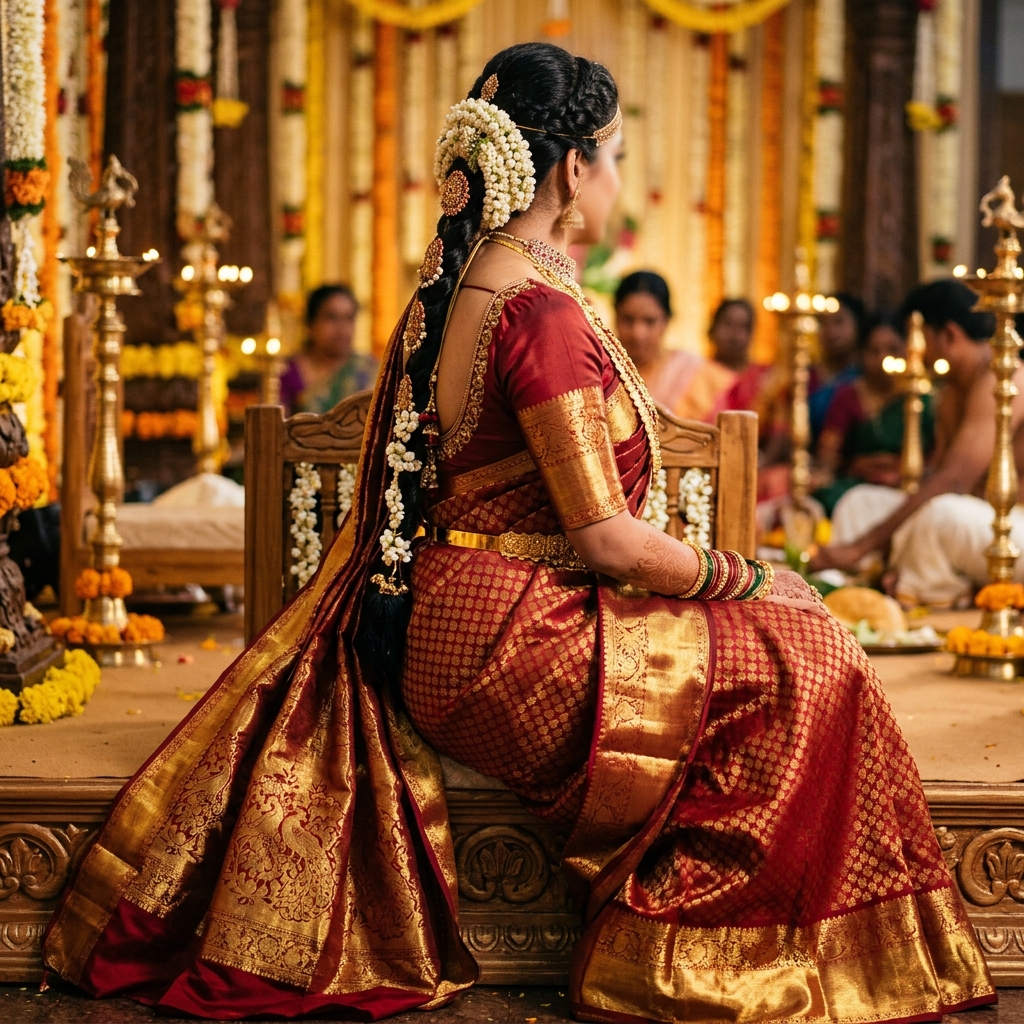
A wedding pattu saree is never just an outfit. It is worn at one of life’s most sacred milestones — witnessed by family, preserved in photographs, remembered for decades. Long after the ceremony ends, your wedding pattu saree becomes part of your story, and often, part of your legacy.
This is why small mistakes show up later.
In photographs, when the colour feels harsher than expected.
In comfort, when the drape feels heavier than imagined.
In movement, when the pleats don’t fall as gracefully.
In emotion, when the saree doesn’t quite reflect who you are.
Unlike occasion wear that fades into memory, wedding pattu sarees remain — carefully folded, revisited during anniversaries, and sometimes passed down to daughters. The weight of that permanence demands clarity.
Traditional pattu sarees carry cultural symbolism, weaving discipline, and ceremonial meaning. They cannot be chosen impulsively. The weave, zari, border proportion, and shade must align with the ritual, the lighting, the jewellery, and most importantly — the bride herself.
At Aikyatha, our philosophy is simple: bridal silk should feel right today and years from now. The right wedding pattu saree is not just admired in the mirror — it feels aligned with your identity, your ceremony, and the legacy you wish to carry forward.
Mistake #1: Choosing Trend Over Tradition
It is easy to be drawn to what feels current. Social media inspiration, celebrity weddings, trending colour palettes — all of it can influence how brides choose their wedding pattu sarees. But trends fade far quicker than memories.
Wedding photos do not follow fashion cycles. They remain — framed in homes, revisited during anniversaries, shared across generations. When a design feels overly experimental or trend-driven, brides often realise later that it no longer reflects the timelessness of the occasion.
Many regrets arise from:
Unconventional colours that age quickly
Overly modern motifs that lack cultural grounding
Lightweight, trend-focused weaves that compromise structure
Designs that feel dramatic in-store but overwhelming in photos
In contrast, traditional pattu sarees carry proportion, symbolism, and balance that have endured for decades. Their classic borders, heritage motifs, and structured drape do not compete with time—they transcend it. That is why traditional pattu sarees continue to define south Indian wedding sarees across generations.
At Aikyatha, brides are gently guided toward timeless elegance rather than fleeting styles. We help you evaluate wedding pattu sarees not just for how they look today, but for how they will feel—and photograph—years from now.
Here’s another resource you’ll find useful: 5 Things Every Bride Must Know About Kanjeevaram Bridal Sarees
Mistake #2: Ignoring the Importance of Drape & Comfort
Grandeur often impresses in the showroom. But on the wedding day, comfort quietly determines confidence.
Many brides select wedding pattu sarees that look majestic—dense zari, heavy silk, elaborate borders—without considering how the saree will feel through hours of rituals, movement, and photography. What feels luxurious in a trial drape can become restrictive during long ceremonies.
Common regrets include:
Excessively heavy silk that strains the shoulders
Stiff weaves that restrict natural movement
Borders that overpower the frame instead of enhancing it
Pleats that refuse to fall gracefully
Wedding rituals are not brief moments. They involve sitting, standing, walking, bending, and greeting guests—often for extended hours. If the drape feels uncomfortable, it shows in posture and expression. The elegance of even the most beautiful wedding silk sarees diminishes when ease is compromised.
The right wedding pattu sarees should balance richness with wearability. The silk must hold structure without stiffness. The zari should add brilliance without weight. The pleats should flow naturally, not fight against the body.
At Aikyatha, we guide brides through this balance — helping them choose wedding silk sarees that feel as graceful as they look. Because true bridal elegance is not just seen in the mirror; it is felt throughout the day.
Mistake #3: Buying Without Understanding Authenticity
In the rush of wedding shopping, authenticity is often assumed — not verified. Many brides invest in wedding pattu sarees believing they are purchasing genuine silk, only to later discover differences in weave quality, zari purity, or finishing.
The confusion between authentic and imitation silks is subtle. Machine-made versions may look similar at first glance, but over time, the differences appear:
Fading sheen and weakening borders
Lightweight fabric that lacks structural integrity
Zari that dulls quickly
Sarees that do not hold heirloom value
The regret is rarely immediate. It surfaces later — when the saree does not age well, or when it cannot be passed down as intended.
True kanchi pattu sarees demand trusted sourcing and deep knowledge of craftsmanship. The weaving technique, silk density, korvai borders, and zari quality all determine authenticity. Without guidance, brides may choose based on appearance alone, unaware of what defines genuine traditional pattu sarees.
At Aikyatha, we believe wedding pattu sarees should be selected with clarity, not doubt. Through transparent conversations about weave, silk purity, and heirloom value, we help brides choose kanchi pattu sarees with confidence — ensuring that what they wear on their wedding day remains meaningful for years to come.
Mistake #4: Choosing a Saree Without Considering the Ceremony
One of the most common regrets brides share is choosing their wedding pattu sarees without considering the distinct nature of each ceremony. A muhurtham, reception, and pre-wedding ritual are not identical — yet many brides select a single style without reflecting on how the context changes.
Wearing the same visual intensity across every event can dilute the impact. The grandeur that feels perfect for a sacred muhurtham may feel too traditional for an evening reception. Conversely, a lighter, contemporary style may feel underwhelming during temple rituals.
Why does each ceremony deserve its own expression?
Muhurtham demands cultural depth and traditional symbolism
Receptions allow refined elegance and modern styling
Family rituals often call for softer, heritage-rooted tones
Photography, lighting, and jewellery vary across events
South Indian wedding sarees are layered with ritual meaning. The colour, border proportion, zari richness, and drape must align with the specific ceremony. Choosing wedding pattu sarees without this awareness often leads to imbalance.
At Aikyatha, we curate bridal pattu sarees ceremony-by-ceremony. Our bridal consultations focus on understanding the structure of the wedding — recommending bridal pattu sarees that complement each moment. Because when thoughtfully chosen, wedding pattu sarees enhance not just the bride, but the rhythm of the celebration itself.
Mistake #5: Overlooking the Bigger Bridal Silk Collection
In the excitement of choosing the main ceremony attire, many brides focus entirely on their primary wedding pattu sarees — overlooking the broader wardrobe that surrounds the celebration.
A wedding is rarely a single event. There are pre-wedding rituals, receptions, family gatherings, post-wedding ceremonies, and gifting traditions. When attention is limited to just one saree, the overall bridal presentation can feel unbalanced or repetitive.
Common oversights include:
Not planning coordinated pre-wedding looks
Selecting reception silks that clash with the main ceremony palette
Forgetting thoughtful sarees for close family gifting
Missing the opportunity to build a cohesive bridal silk collection
While wedding pattu sarees remain central, the surrounding wardrobe shapes the visual rhythm of the entire celebration. A well-curated bridal silk collection ensures harmony across colours, textures, and ceremonial intensity.
At Aikyatha, we approach bridal shopping holistically. Beyond the main wedding pattu sarees, we guide brides in building a refined, cohesive bridal silk collection — one that transitions seamlessly from muhurtham to reception and beyond. Because true elegance lies not in a single garment, but in thoughtful continuity.
Mistake #6: Compromising on Quality for Price
Weddings come with many expenses, and it is natural for brides to become cost-conscious. But when it comes to wedding pattu sarees, decisions driven purely by price often lead to quiet, long-term disappointment.
A lower price may seem attractive in the moment. Yet over time, compromises begin to show — in weakened zari, fading sheen, unstable borders, or a drape that loses its structure. Unlike temporary décor or event details, wedding pattu sarees remain. They are preserved, revisited, and sometimes passed down.
There is also an important distinction between “expensive” and truly luxury wedding sarees.
Luxury is not about high pricing alone. It reflects:
Purity of silk and density of weave
Strength and longevity of zari
Balance in border proportion and design
Craftsmanship that ensures heirloom value
When quality is compromised, the saree may look grand initially but fail to age gracefully. That is where regret quietly settles.
At Aikyatha, we guide brides to invest wisely — not excessively. We help them understand what defines authentic luxury wedding sarees and how to evaluate wedding pattu sarees beyond price tags. Because a bridal saree should feel valuable years later, not just affordable on the day of purchase.
Related read: Wedding Kanchi Pattu Sarees: 7 Mistakes Brides Make (And How Aikyatha Helps You Avoid Them All)
Mistake #7: Choosing Without Expert Guidance
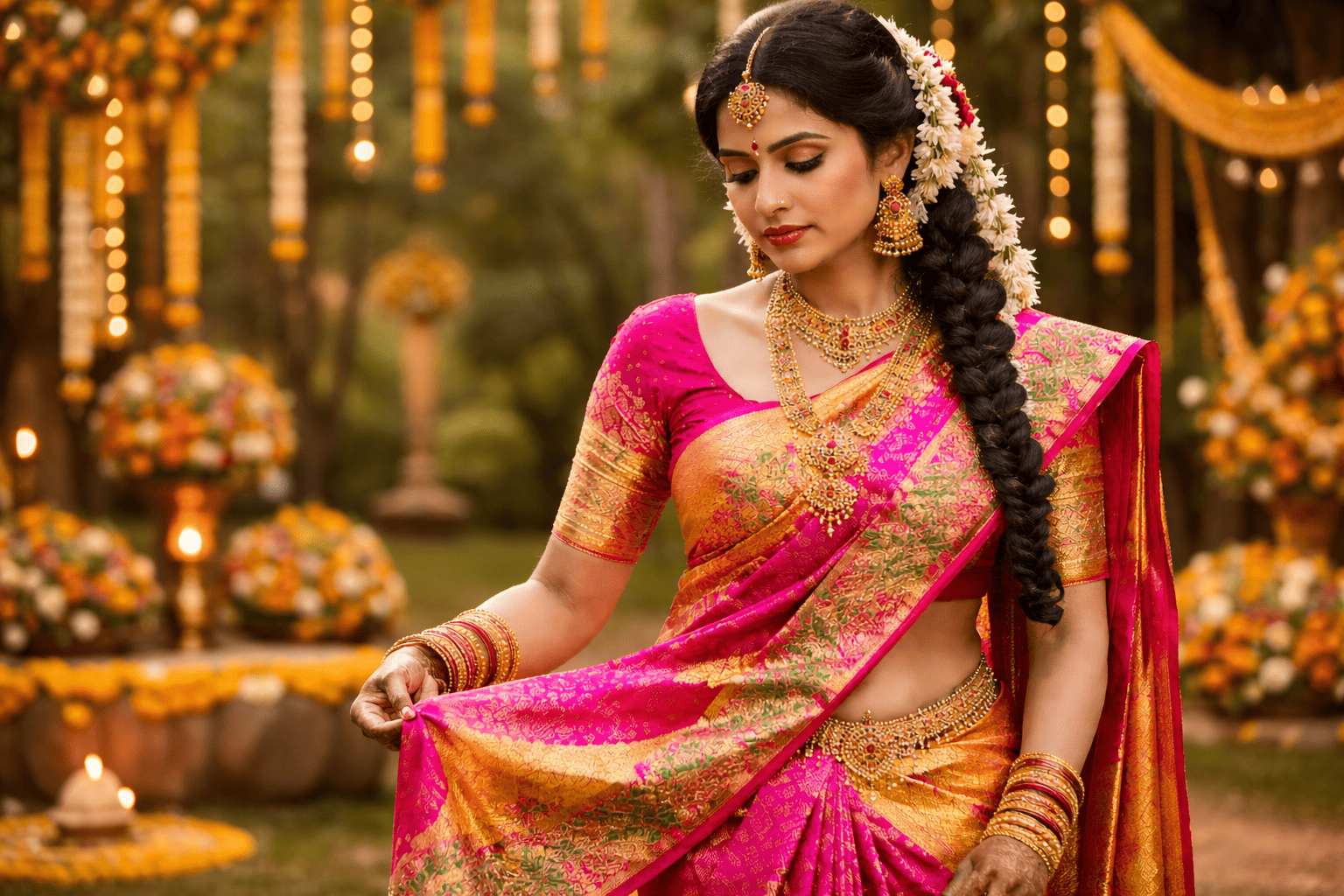
Wedding shopping often begins with enthusiasm — and ends in exhaustion. Endless store-hopping, conflicting opinions, and overwhelming choices can leave brides more confused than confident while selecting wedding pattu sarees.
Without context, decisions become reactive. A saree is chosen because it looks impressive in the moment, because family members agree, or because it fits a trend. Later, regret surfaces — not because the saree lacked beauty, but because clarity was missing.
Common challenges brides face:
Too many options, too little structured guidance
Limited understanding of weave, zari, and authenticity
Conflicting advice from multiple sources
Decisions made under time pressure
Wedding pattu sarees require more than visual appeal. They demand alignment with ceremony, comfort, heritage, photography, and long-term value. Without expert guidance, it is easy to overlook these layers.
At Aikyatha, we see ourselves as partners in the bridal journey — not just a place to shop. Our curated consultations are designed to bring clarity, context, and confidence to every decision. Because when wedding pattu sarees are chosen with guidance, they become not just garments, but cherished heirlooms rooted in understanding.
How Aikyatha Helps Brides Avoid These Regrets
Choosing wedding pattu sarees should feel thoughtful and assured — not rushed or overwhelming. At Aikyatha, our process is designed to prevent the very regrets brides often experience later.
We begin with understanding — not selling.
Our personal consultations focus on:
The structure of your wedding rituals and ceremonies
Your personality, comfort preferences, and styling vision
Jewellery, venue lighting, and photography considerations
Long-term heirloom value of your wedding pattu sarees
Instead of presenting endless racks, we curate selections. Brides are shown refined options aligned with their ceremony and aesthetic, ensuring clarity rather than confusion.
Support is available across our Bengaluru showrooms in Malleswaram, Jayanagar, and Marathahalli, as well as through detailed virtual consultations for families outside the city. Every interaction is designed to bring confidence to the decision-making process.
Whether selecting wedding pattu sarees or other south Indian wedding sarees, our guidance remains rooted in authenticity, comfort, and cultural integrity. Because the right bridal choice should feel clear — not complicated.
A wedding pattu saree is remembered long after the wedding day ends. It lives in photographs, in family stories, and sometimes in the hands of the next generation.
Avoiding these common mistakes ensures your wedding pattu sarees carry joy — not regret. When chosen with clarity, they reflect not just tradition, but your identity, your comfort, and the spirit of your celebration.
With the right guidance, bridal silk becomes more than ceremonial attire. It becomes memory woven in silk.
At Aikyatha, we also understand that bridal investments deserve flexibility. Brides can explore convenient EMI options to plan their purchases with ease.
For details on available payment plans and the Monthly Silk Scheme, we invite you to refer to our official website or speak with our team during your consultation.
Begin your bridal journey with clarity and confidence —
visit Aikyatha’s Bengaluru boutiques in Malleswaram, Jayanagar, and Marathahalli, or book a personalised consultation, in-store or virtually.
FAQs
- 1. What makes wedding pattu sarees different from regular silk sarees?
Wedding pattu sarees are crafted with richer silk, stronger zari, and more defined borders compared to regular silk sarees. They are designed specifically for ceremonial importance, durability, and heirloom value, making them ideal for south Indian wedding sarees and sacred rituals.
- 2. How do I choose the right wedding pattu saree for my ceremony?
Choosing the right wedding pattu sarees depends on the ceremony type, venue lighting, jewellery, and personal comfort. Muhurtham sarees typically require traditional depth, while receptions allow lighter elegance. Expert guidance ensures alignment between ritual significance and personal style.
- 3. Are traditional pattu sarees better than trendy bridal designs?
Yes, in the long term. Traditional pattu sarees retain grace across generations and photograph beautifully over time. Trend-based designs may feel current today but can lose relevance later, leading to regret in wedding albums and heirloom value.
- 4. How can I verify the authenticity of kanchi pattu sarees?
Authentic kanchi pattu sarees feature dense silk weaving, strong korvai borders, and high-quality zari. Purchasing wedding pattu sarees from a trusted store that explains weave quality, silk purity, and sourcing ensures clarity and confidence.
- 5. Does Aikyatha offer payment flexibility for wedding pattu sarees?
Yes. Along with curated bridal consultations, Aikyatha offers convenient EMI options and structured purchase plans to help brides invest thoughtfully. Brides can visit the Bengaluru boutiques or refer to the official website for details on available payment support.



Share Product