
Introduction
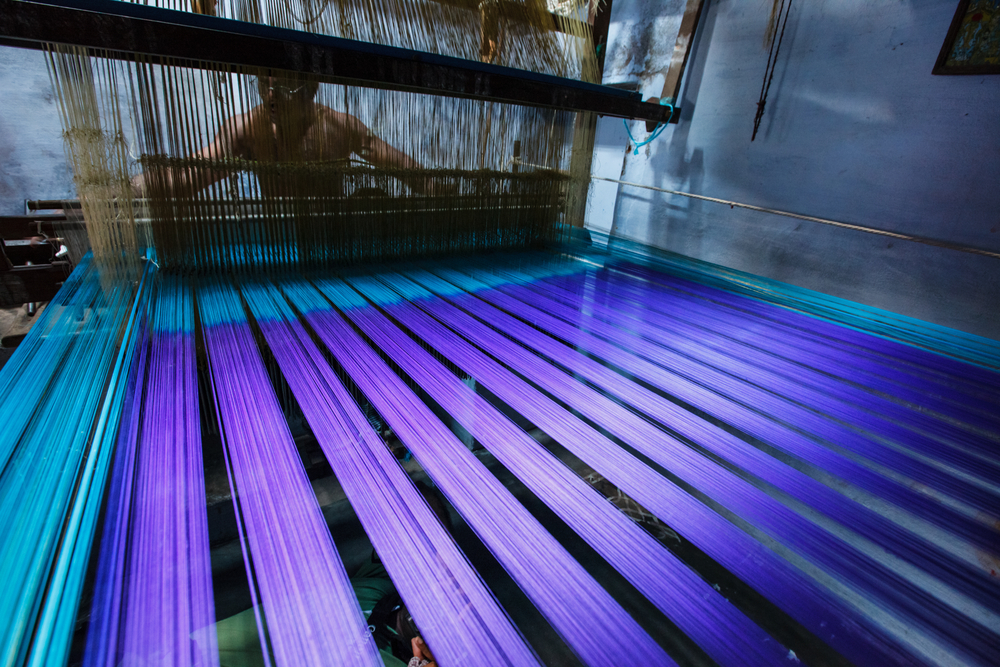
Only true Kanchipuram silk sarees manufacturers can tell you this: a single saree can take 10 to 25 painstaking days to weave—by hand. Not because it’s easy. Rather, it's because shortcuts are not appropriate for a legacy system.
As one of the oldest weaving traditions in India, the soul of Kanchipuram silk lies not in machines but in the mind and memory of the artisan. These are not just textiles—they are tapestries of culture, math, and rhythm, crafted with the kind of detail no AI or automated loom could ever replicate.
At Aikyatha, we’ve often been asked, why not switch to power looms? After all, they’re faster. Efficient. Scalable. But here’s the truth—we’re not here to scale. We’re here to preserve.
What separates true kanchipuram silk sarees manufacturers from the mass producers isn’t the fabric. It’s the philosophy. The philosophy is dedicated to maintaining the human touch in every saree. Hand-touched. Authentic.
This blog delves into five time-honored traditions that only genuine Kanchipuram manufacturers continue to uphold. If you're a discerning buyer who values authenticity, these are the signs to look for. Let’s begin with the most sacred of them all: handloom weaving by local artisans.
#1: Handloom Weaving by Local Artisans
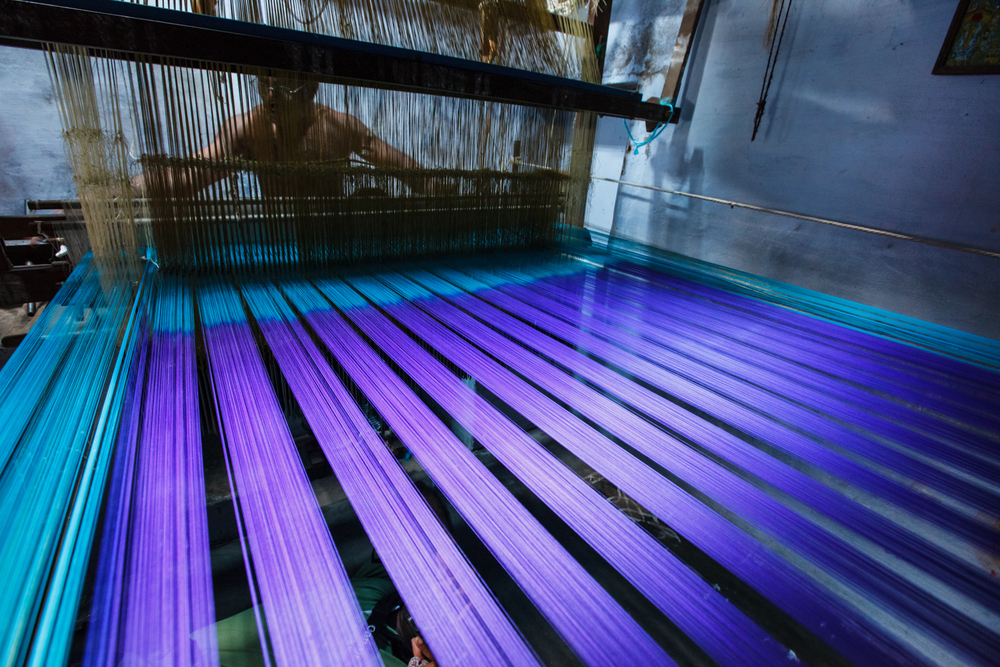
Machine-made sarees may replicate patterns, but they can’t replicate soul. That comes only from the handloom—a rhythmic craft passed down from generation to generation. And it’s here that true Kanchipuram silk sarees manufacturers stand apart.
When you choose a handloom saree, you’re not just buying fabric. You’re investing in time, skill, and cultural continuity. Each saree takes days—sometimes weeks—to weave. The process is slow, but intentional.
At Aikyatha, we collaborate only with artisans who use traditional handlooms. Here’s why we proudly avoid power looms for our core collections:
- Preservation of craft: Every weave carries the personal signature of the artisan. No two sarees are ever truly identical.
- Better durability: Handloom sarees are tighter, denser, and often last for decades with proper care.
- Natural grace: Unlike power loom sarees, handwoven silks drape with effortless elegance and breathe better against the skin.
Authentic Kanchipuram silk sarees manufacturers uphold this tradition, not just for aesthetics—but for integrity. When you choose handloom, you’re not just supporting a product. You’re protecting a legacy.
Here’s another resource you’ll find useful: How to Choose the Perfect Wedding Kanchi Pattu Sarees—6 Expert Tips!
#2: Pure Mulberry Silk & Natural Zari: The Signature of a True Kanchipuram Saree
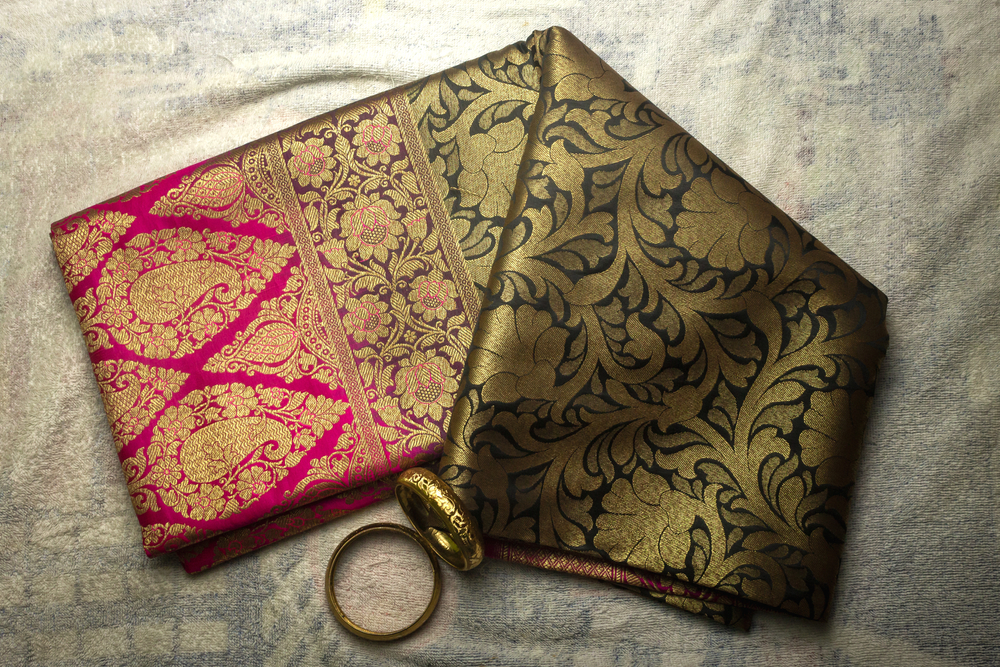
Let’s be honest. The market is flooded with look alikes. Glossy sarees. Flashy zari. Pretty at first, but they don’t hold up. One wash, one wedding, and the magic’s gone.
But true Kanchipuram silk sarees manufacturers? They don’t deal in temporary beauty. They create sarees that outlast trends.
And it starts with what’s used at the core—pure mulberry silk and authentic natural zari.
Why Pure Mulberry Silk Still Reigns Supreme
You can spot it from across the room. It exudes a soft, dignified sheen. The way it falls with weight and grace. But when you touch it—that’s when you really know.
- It’s smooth, not slippery.
- Light on the skin, but heavy in quality.
- Durable enough to be handed down through generations.
Pure mulberry silk isn’t just about feel—it’s about structure. Each thread holds its shape, holds its story, and holds your trust.
Want to test it yourself? Run it between your fingers. Real silk has that soft crunch—that unmistakable silk whisper. It’s subtle, but it never lies.
What Sets Natural Zari Apart
Real zari doesn’t shout. It glows.
Most fast-made sarees use synthetic or plastic zari. They shine too bright and wear off too soon. But natural zari—crafted from silver or copper and gold-wrapped—is different.
- It adds weight. Drape it once, and you’ll feel the difference.
- It ages well. Not dull. Not flaky. It simply grows deeper and richer over time.
- It’s woven with pride, not shortcuts.
You won’t find real zari in sarees that cost the same as a dinner bill. And that’s the point—authenticity costs more because it gives more.
Aikyatha’s Standard: Sourcing That Honors the Craft
This is where we establish our boundaries. As one of the few Kanchipuram silk sarees manufacturers still working directly with heritage artisans, we don’t just source—we curate.
- Our silk comes from government-recognized mulberry farms in Tamil Nadu.
- Our zari is woven by families who’ve done this for generations—not factories.
- The fabric contains no chemical dyes. We don't use blended threads. No exceptions.
When your saree carries a legacy, it deserves materials that live up to its expectations.
And now that you know what goes into the weave, let’s talk about something equally powerful—how color itself becomes part of tradition.
#3: The Three-Shuttle Technique: Where Borders Tell a Different Story
What makes a Kanchipuram saree stand apart at first glance?
The border.
The beauty lies not only in its pattern but also in its contrast. The sharp difference in color, the seamless join, the intricate motifs—it’s all made possible by a single, time-honored technique known only to traditional weavers: the three-shuttle method.
And it’s a technique that very few outside the community can execute with precision.
What 's the Three-Shuttle Technique?
Unlike regular weaving—where one shuttle carries the yarn across the entire loom—this method uses three separate shuttles operated by two skilled artisans:
- One shuttle is used for the body of the saree.
- The second and third control the borders on each side.
This feature allows for a contrasting color and design on the borders—without a single visible joint or mismatch.
Why It Matters More Than You Think
Most machine-made sarees imitate this effect with patchwork or digital prints. But if you've seen a genuine saree from traditional Kanchipuram silk sarees manufacturers, you know—there’s no substitute for the real weave.
- The contrast isn’t printed—it’s woven into the fabric itself.
- The joint is invisible and permanent. There is no fraying and no separation over time.
- The motifs in the border can be complex and layered, thanks to this technique.
This type of work isn’t just craftsmanship—it’s engineering, guided by rhythm and instinct passed down through generations.
How to Spot a True Three-Shuttle Saree
Not all sarees with contrast borders are handwoven. Here's how to tell the difference:
- Look at the join: A genuine three-shuttle weave has no visible stitching—just a seamless shift in color.
- Feel the texture: Machine-made borders often feel bulky; true handlooms flow evenly.
- Check the back: The pattern should be almost as vivid as the front.
At Aikyatha, we work only with skilled Kanchipuram silk sarees manufacturers who use this traditional technique in every core collection. It's how we ensure that what you wear isn’t just beautiful—but authentically crafted.
#4: Temple-Inspired Motifs with Cultural Symbolism
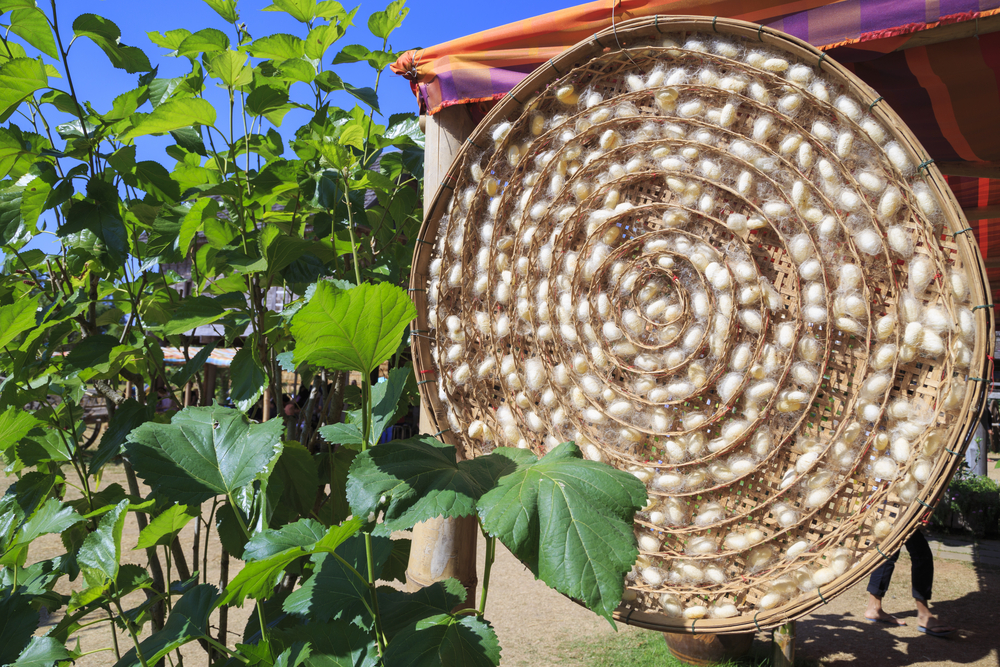
Great design doesn’t start with a trend. It starts with a story.
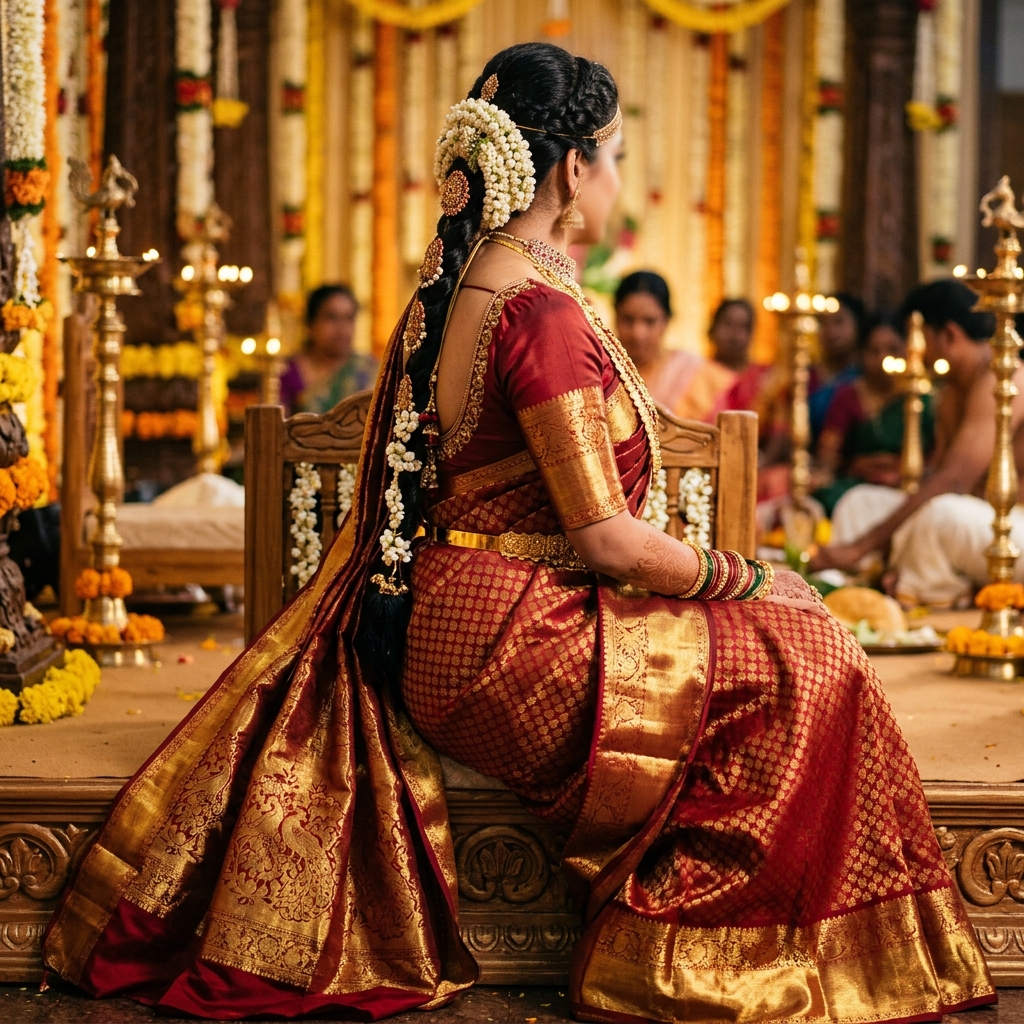
Traditional Kanchipuram silk sarees manufacturers have long understood this. That’s why their motifs aren’t just decorative—they’re deeply symbolic, often inspired by temples, mythology, and nature.
From soaring gopurams to dancing peacocks, every element on a saree carries meaning. These aren’t just patterns. They’re echoes of heritage.
What These Motifs Really Mean:
- Peacocks: Beauty, pride, and divine protection.
- Gopurams: Spiritual strength and a connection to sacred architecture.
- Yaalis & lotuses: Balance of power and purity—often seen in bridal silks.
- Elephants: Royalty, blessings, and strength.
At Aikyatha, we don’t just reuse these motifs—we revive them.
- We work with artisans who study temple art before designing a new weave.
- Some motifs are customized based on a bride’s family tradition or regional identity.
- Every piece is rooted in history, yet styled for the present.
That’s the difference between trend-led design and meaningful craft. And it’s where true Kanchipuram silk sarees manufacturers continue to lead—by letting tradition inspire, not limit, creativity.
Related read: Why Traditional Kanchipuram Silk Sarees Hold a Special Place in Every Bride’s Heart
#5. Blessing the Saree: Rituals & Final Touches
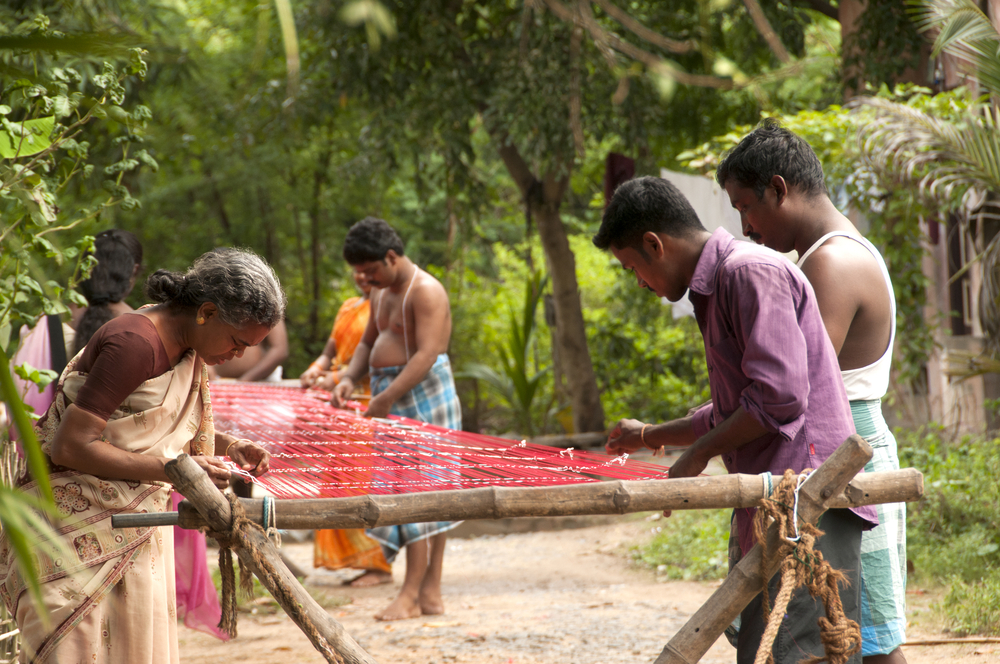
In many industries, packaging is the end of the process.
But for true Kanchipuram silk sarees manufacturers, it’s a ceremonial beginning.
Every saree, after hours of handloom weaving, dyeing, and detailing, is not just folded—it’s blessed. It’s a tradition steeped in reverence and care, passed down for generations.
What Happens Before the Saree Reaches You:
- A light smudge of turmeric is applied to the tag or the edge of the saree—symbolizing protection, purity, and prosperity.
- A silent prayer is offered before the saree is packed, invoking blessings from the divine.
- Traditional folding techniques are used, ensuring the drape retains its shape and grace.
- Sarees are wrapped in soft muslin or cotton cloth, instead of plastic, to preserve their sanctity and allow the fabric to breathe.
These aren’t just rituals. They’re reminders that your saree is part of a sacred tradition.
At Aikyatha, this practice isn't for show—it’s a heartfelt expression of respect. Every saree we dispatch carries not only craftsmanship but a blessing from the weaver’s home to yours.
That’s what sets genuine Kanchipuram silk sarees manufacturers apart. It’s not just how the saree is made—it’s how it’s sent, cherished, and remembered.
Conclusion
A gentle reminder—every Aikyatha saree is not just a garment.
It’s a tradition, a sentiment, and a story woven through generations by dedicated Kanchipuram silk sarees manufacturers.
At Aikyatha, we preserve heritage with purpose. Each piece is handcrafted, blessed, and passed on—not just sold. And for those who can’t visit us in person, we’ve brought the tradition to your screen too.
We cordially invite you to enjoy this legacy:
Walk Into Tradition. Or Invite It Home.
📍 Malleshwaram
29, 3rd Main Road, Margosa Rd, Malleshwaram, Bengaluru, 560003
✉️ [email protected] | ☎️ 080 2953 9696
📍 Jayanagar
47th Cross Rd, 5th Block, TMC Layout, 1st Phase, Bengaluru, 560041
✉️ [email protected] | ☎️ 080 2663 6969
📍 Marathahalli
33, Cauvery Complex, Service Rd, Anand Nagar, Marathahalli, Bengaluru, 560037
✉️ [email protected] | ☎️ 080 2523 3997
Prefer Shopping from Home?
Explore our Virtual Shopping Experience—a personalized one-on-one session with our team, right from the comfort of your living room.
For general inquiries:
📍 Bengaluru, Karnataka, 560011
✉️ [email protected] | 📞 +91 90 1988 7064
Frequently Asked Questions
- How do I know if a saree is handwoven and not made on a power loom?
Authentic handwoven Kanchipuram sarees often have slight irregularities, rich textures, and visible joins in the body and pallu. At Aikyatha, each saree is tagged and certified to showcase its handloom origin.
- What makes Aikyatha different from other Kanchipuram silk sarees manufacturers?
We strictly follow age-old traditions—pure mulberry silk, natural zari, and time-tested techniques like the three-shuttle weave. Aikyatha’s collections are crafted by skilled local artisans with generational weaving expertise.
- Why is the three-shuttle technique so rare today?
It requires deep skill and patience. The method allows for a contrasting border and body but can’t be replicated by machines. Only experienced artisans, like those at Aikyatha, continue to preserve this art form.
- Are all motifs on the sarees traditional or do you offer customization?
We honour temple-inspired motifs but also offer exclusive Aikyatha motifs customized for bridal wear. Every motif carries meaning—whether it’s a peacock, mango, or gopuram.
- Can I shop for Aikyatha sarees online or via video consultation?
Absolutely. We offer a Virtual Shopping Experience so you can browse our heritage collection from home with the help of our expert team.



Share Product