

Blog
5 Secrets No One Tells You About Choosing Bridal Kanchipuram Silk Sarees
20 June, 2025
Getting married soon and eyeing one of those breathtaking bridal Kanchipuram silk sarees? You're not alone. With over 700 monthly searches for this exact phrase, it’s clear that thousands of brides across India are chasing the same dream—grace, tradition, and a photo-perfect moment.
You've probably scrolled through endless reels of Kanjeevarams, mesmerized by their rich hues and heavy zari borders. But here's the truth: choosing the right saree is not just about falling for the prettiest weave on Instagram.
It’s about knowing the secrets the sales staff don’t usually share. Like how a saree might look gorgeous under store lighting but dull under natural sunlight. Or why some bridal Kanchipuram silk sarees wrinkle faster than others—yes, even the expensive ones.
This blog by Aikyatha is your behind-the-scenes guide. We'll walk you through 5 secrets that seasoned brides and saree connoisseurs swear by—secrets that could make or break your big day look.
And the best part? You don’t need to be a saree expert to understand them. Just read on, and you’ll know exactly what to look for—before saying “yes” to the saree.
Secret #1: The Zari Might Not Be What You Think
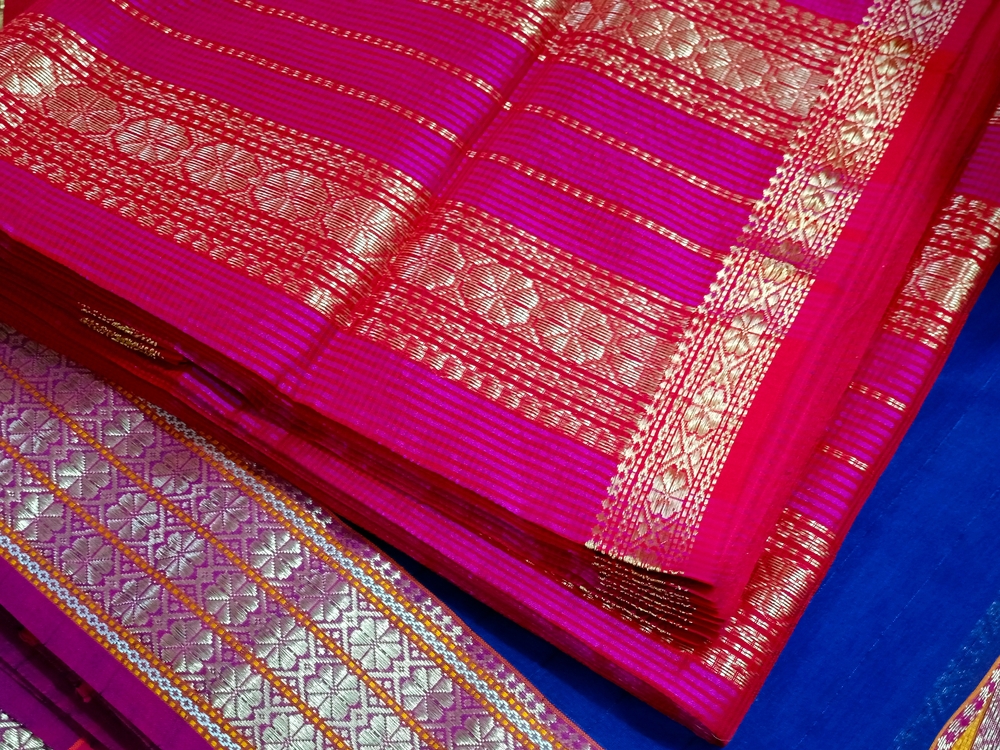
At Aikyatha, we’ve seen it all—brides dazzled by the shimmer of zari, only to return disappointed when the shine fades after a few wears. That’s why we believe this is the first secret you should know when buying bridal Kanchipuram silk sarees: not all zari is genuine.
Real vs. Tested Zari – What’s Woven In Makes a Big Difference
Most bridal sarees today come with either:
- Pure zari – made from real silver dipped in gold, known for its brilliance and durability.
- Tested zari – copper-based, gold-coated threads that are more affordable but age faster.
- Imitation zari – synthetic or plastic-based, prone to fading and flaking.
At Aikyatha, we use only BIS-certified zari that ensures your saree stays beautiful—not just for your wedding, but for years to come.
Here’s another resource you’ll find useful: How to Choose the Perfect Pure Silk Dhoti for Weddings & Rituals
How to Know It’s Real: The BIS Mark and Burn Test
We’re big believers in transparency. Here’s how you can check your saree’s authenticity:
- BIS Silk Mark Certification: Every bridal kanchipuram silk saree at Aikyatha comes with this trusted seal—certifying both the silk and zari are genuine.
- The Burn Test (in-store only): A simple thread test that reveals whether the zari is pure or imitation. We’ll even show you how it’s done.
No guesswork. No compromises. Just the truth about what’s woven into your bridal story.
Secret #2: Not All Reds Are Created Equal
You’ve always imagined walking down the aisle in red. But here’s the secret: the right red can elevate your bridal glow—while the wrong one might wash you out or look dated in photos.
At Aikyatha, we help brides find the perfect shade of red in their bridal Kanchipuram silk sarees—not just any red, but your red.
Choosing the Right Shade of Red or Maroon Based on Skin Tone
There’s no one-size-fits-all. Different reds bring out different undertones in your complexion.
Here’s a quick guide:
- Wheatish to dusky skin tones:
- Deep maroon, rust red, wine red, and brick tones look regal and flattering.
- Avoid too-bright or orangey reds that can clash with golden undertones.
- Fair to medium skin tones:
- Classic vermillion, tomato red, and even coral reds offer warmth and vibrance.
- Avoid overly cool-toned or blue-based reds unless paired with gold zari.
Pro Tip: Try the saree in natural daylight if possible—store lighting can be misleading.
At Aikyatha, our in-store stylists help you drape and compare multiple tones side-by-side, so you don’t have to second-guess your pick.
What Colors Age Well in Wedding Albums?
Photos stay forever. And so do color choices.
- Evergreen picks: Deep maroon, jewel-toned red, and muted gold-accented pinks photograph beautifully across time.
- Colors to be cautious with: Neon or overly trendy pastels may fade faster from both memory and style relevance.
- Balance is key: Choose a shade that complements your venue lighting, jewelry, and décor tones.
Think long term. You want your bridal kanchipuram silk sarees to look as timeless on your 25th anniversary as they did on your big day.
Secret #3: Fabric Weight Can Make or Break Your Wedding Day
Some bridal sarees look stunning on the hanger—but feel exhausting by hour two of your ceremony. Let’s fix that.
At Aikyatha, we often remind brides: it’s not just about how a saree looks, but how it feels—and how long you’ll be wearing it.
Consider Climate and Ceremony Length
Planning a temple wedding in Bangalore's warm weather? Hosting an outdoor reception? Or will you be under stage lights for 5+ hours?
These factors matter more than you think.
Here’s why fabric weight is critical:
- Heavy sarees + long ceremonies = discomfort
Sweating, adjusting the pleats, and looking stiff in photos? Not worth it. - Lighter silk with good drape = effortless grace
These allow easier movement, better posture, and a more relaxed expression throughout the rituals. - Double checks matter:
Always drape the saree fully during trial. Walk, sit, and move around to gauge comfort.
At Aikyatha, our consultants recommend sarees based on your actual wedding plan—venue, time of day, even rituals involved.
What No One Tells You About Heaviness and Drapability
Heavier doesn’t always mean better. In fact:
- Too much zari can make a saree stiff and tricky to pleat.
- Over-layered silks often sag or crease by the time the reception starts.
- Lighter bridal kanchipuram silk sarees with firm zari borders can hold structure and still feel breathable.
Tip: Ask about the grams per meter (GSM) when browsing sarees. This gives you a clearer idea of how it’ll feel after 6 hours of rituals and photo sessions.
Secret #4: The Border & Pallu Should Match Your Height and Posture
Brides often focus on color and zari—but overlook one detail that can dramatically change how their saree looks on them: proportion.
At Aikyatha, we help brides understand how the border and pallu can either flatter or overwhelm, depending on your height and posture.
Tall Brides vs Petite Brides – Visual Balance Tips
The right saree should enhance your natural frame, not fight against it.
Here’s how to choose smartly:
- Petite Brides
- Opt for narrow or medium borders to avoid getting “cut off” visually.
- Smaller motifs and thinner pallu stripes help elongate the frame.
- Go for vertical elements or diagonal pallu designs—they add height.
- Tall Brides
- You can carry bold, broad borders beautifully—don’t shy away from dramatic pallu work.
- Horizontal patterns work in your favor.
- Look for statement zari motifs that balance your silhouette.
Aikyatha’s bridal stylists often use a quick mirror trick—holding up borders at waist level—to show you exactly how different widths change your visual height.
Overly Broad Borders Can Shorten Your Frame
No matter how luxurious the weave, if the border swallows your lower half, you’ll appear shorter—especially in photographs.
Watch out for:
- Borders wider than 4 inches on petite brides
- Contrasting border colors that break visual flow
- Heavily loaded pallus that weigh down your posture
Try before you buy: Drape the saree fully. Move around. Sit. Check how the border looks when pleated—and whether the pallu feels manageable.
Remember, bridal kanchipuram silk sarees are heirloom pieces. But that doesn’t mean every one suits every body type.
Secret #5: Customization Takes Time—Plan at Least 2 Months Ahead
Choosing your bridal kanchipuram silk sarees isn’t just about picking a design off the rack. The magic lies in the finishing touches. And that takes time.
Most brides underestimate how long customizations take—only to rush through blouse stitching, fall and pico work, or forget to add elegant tassels that could’ve elevated the look.
Let’s fix that.
Why Ready-Made Isn’t Always Wedding-Ready
Even if your saree is delivered “ready to wear,” it may not be wedding-ready. Here’s why:
- Blouse fittings can need 2–3 trials to get just right.
- Pico & fall work from a skilled tailor can take over a week, especially during peak wedding season.
- Tassel additions, embroidery, or lining need planning ahead—especially if they’re done by hand.
These little things make a big difference in how your saree drapes and shines on the big day. Rushing through them? That’s a recipe for regret.
What to Customize—Blouse, Fall, Pico, Tassels
At Aikyatha, our team always recommends brides plan for these common (and crucial) customizations:
- Blouse Stitching
- Go for inner lining, padded cups, or even hidden zippers for comfort and finish.
- Match sleeve length and neckline to jewelry and hairdo.
- Fall and Pico
- Choose matching or contrast falls to enhance the drape.
- Quality pico ensures the borders don’t curl or fray.
- Tassels (Kundans or Fabric)
- Add visual interest to the pallu.
- A must-have if your bridal kanchipuram silk sarees are being professionally photographed.
Pro tip: Don’t wait till the wedding month. Finalize your saree at least 60 days ahead, even if your ceremony is just one day long.
Because confidence comes not just from beauty—but from knowing everything is ready down to the last tassel.
Related read: Why Traditional Kanchipuram Silk Sarees Hold a Special Place in Every Bride’s Heart
Bonus Tip – Carry Your Jewelry While Shopping
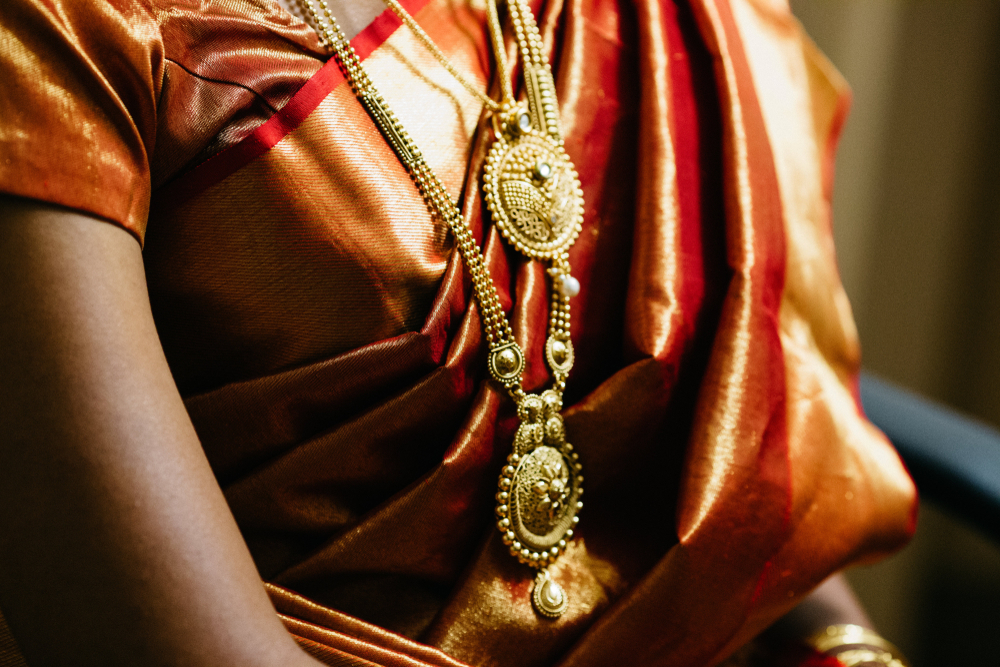
You may have the perfect bridal set picked out—but if your jewelry and saree don’t speak the same design language, the entire look can feel off. That’s why carrying your jewelry with you while shopping for bridal Kanchipuram silk sarees isn’t just a “good idea”—it’s essential.
Jewelry and Saree Should Complement Each Other
Your bridal look isn’t just about the saree. It’s the harmony of silk, zari, metal tones, and gem accents. Here’s why bringing your jewelry makes a huge difference:
- You can instantly check how your necklace sits against the border design.
- Big jhumkas or chokers might overpower delicate buttas or light borders—try them on together.
- It saves you from having to compromise later or scramble for last-minute fixes.
Whether it’s antique gold, modern diamond, or traditional temple jewelry, seeing it in context helps you visualize your final bridal look.
Match Gold/Silver Finish to Zari Tone
The biggest mismatch mistake? Mixing zari tone and jewelry finish.
- Gold Zari: Looks best with antique gold, temple jewelry, or yellow gold sets.
- Silver Zari: Pairs beautifully with platinum finishes, diamond sets, or oxidized silver.
- Dual-tone Zari: Versatile, but choose jewelry that leans more toward the dominant zari color.
At Aikyatha, our bridal consultants often encourage brides to try on sarees while wearing their actual jewelry—because what sparkles in the box may not always shine the same way on silk.
Conclusion
Choosing your bridal Kanchipuram silk saree isn’t just about following trends or picking the brightest red on the shelf. It’s about understanding the finer details—zari quality, color tone, fabric weight, proportion, and customization—that will make your saree feel truly yours.
From how it drapes on your frame to how it photographs years from now, every choice matters. And now, you know the 5 insider secrets most brides wish they had before they shopped.
At Aikyatha, we believe your bridal saree should reflect your story, heritage, and style—not just tradition.
Ready to Make Your Choice with Confidence?
- Browse Aikyatha’s bridal Kanchipuram silk sarees collection—where every piece is handpicked with craftsmanship and legacy in mind.
- Share this post with your best friend or sister who’s planning her wedding.
- Bookmark it for your next saree shopping trip.
FAQs About Bridal Kanchipuram Silk Sarees
Bridal Kanchipuram silk sarees are typically heavier, more ornate, and woven with real or tested zari. They often feature traditional motifs, rich borders, and vibrant colors suited for weddings.
2. How do I know if the zari used in my saree is real?
Check for a Silk Mark certification, inspect the zari’s shine, or ask for a burn test sample. Real zari uses silver or gold threads, while tested zari is a copper or polyester blend.
3. Which color is best for bridal Kanchipuram silk sarees?
It depends on your skin tone, lighting, and personal style. Classic reds, maroons, and golds are timeless, but softer pastels and dual-tones are becoming popular too.
4. How early should I start shopping for my bridal saree?
Start at least 2–3 months before the wedding. This gives you time for customization (blouse stitching, tassels, fall & pico) and ensures you’re not rushed into a decision.
5. Can I buy bridal Kanchipuram silk sarees online?
Yes, but only from trusted manufacturers or retailers like Aikyatha. Ensure the website provides detailed product specs, zari type, and Silk Mark certification.





Share Product